- English
- French
- German
- Portuguese
- Spanish
- Russian
- Japanese
- Korean
- Arabic
- Greek
- German
- Turkish
- Italian
- Danish
- Romanian
- Indonesian
- Czech
- Afrikaans
- Swedish
- Polish
- Basque
- Catalan
- Esperanto
- Hindi
- Lao
- Albanian
- Amharic
- Armenian
- Azerbaijani
- Belarusian
- Bengali
- Bosnian
- Bulgarian
- Cebuano
- Chichewa
- Corsican
- Croatian
- Dutch
- Estonian
- Filipino
- Finnish
- Frisian
- Galician
- Georgian
- Gujarati
- Haitian
- Hausa
- Hawaiian
- Hebrew
- Hmong
- Hungarian
- Icelandic
- Igbo
- Javanese
- Kannada
- Kazakh
- Khmer
- Kurdish
- Kyrgyz
- Latin
- Latvian
- Lithuanian
- Luxembou..
- Macedonian
- Malagasy
- Malay
- Malayalam
- Maltese
- Maori
- Marathi
- Mongolian
- Burmese
- Nepali
- Norwegian
- Pashto
- Persian
- Punjabi
- Serbian
- Sesotho
- Sinhala
- Slovak
- Slovenian
- Somali
- Samoan
- Scots Gaelic
- Shona
- Sindhi
- Sundanese
- Swahili
- Tajik
- Tamil
- Telugu
- Thai
- Ukrainian
- Urdu
- Uzbek
- Vietnamese
- Welsh
- Xhosa
- Yiddish
- Yoruba
- Zulu
What is tipping load on skid steer?
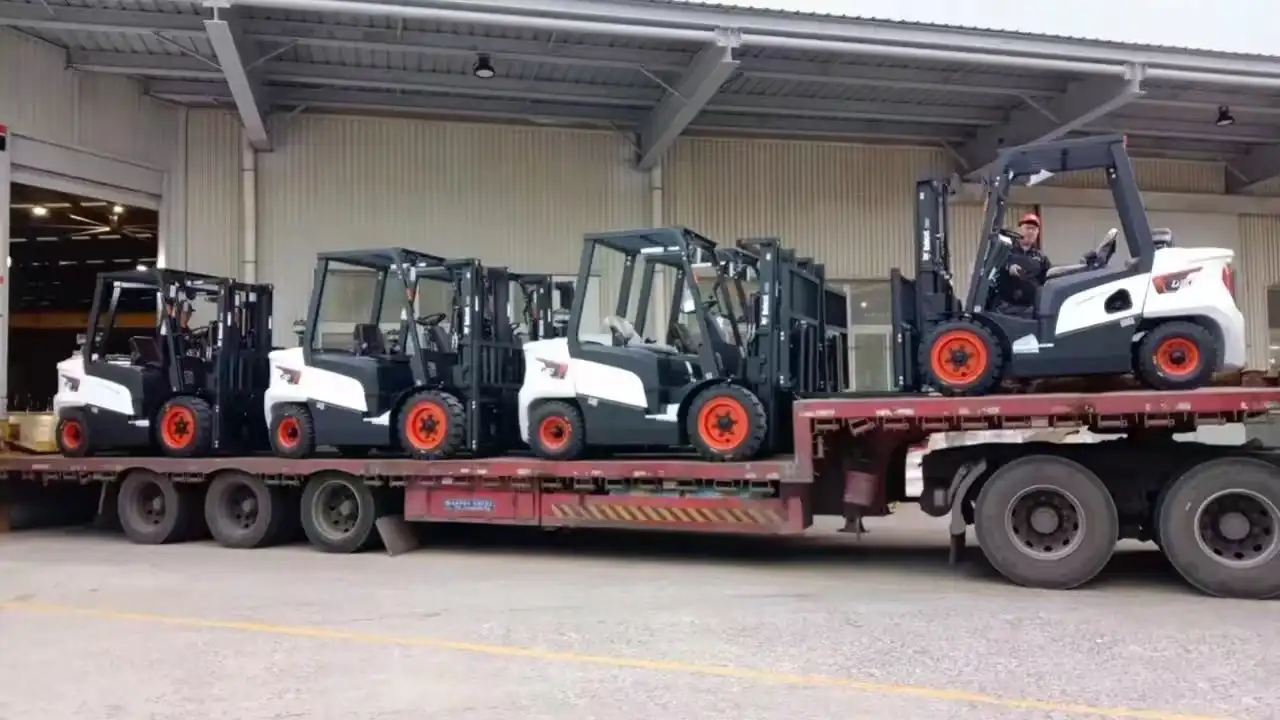
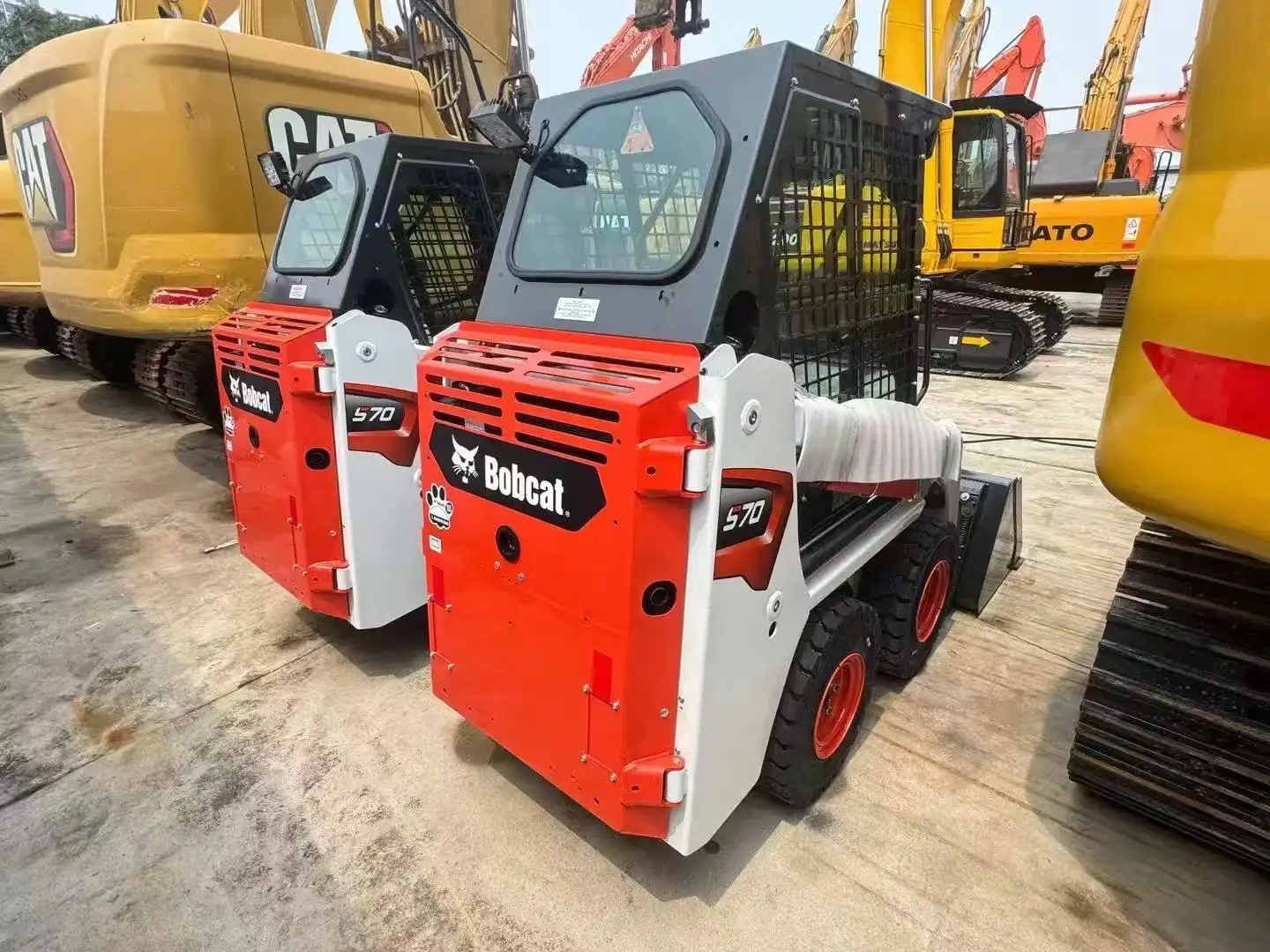
The tipping load on a skid steer, such as the Bobcat S510 Equipment, is a crucial specification that determines the machine's stability and lifting capacity. It refers to the maximum weight that can be lifted by the skid steer before it begins to tip forward. For the Bobcat S510, the tipping load is 1700 kg, which is significantly higher than its rated operating capacity of 851 kg. This difference ensures a safety margin during operation. Understanding the tipping load is essential for operators to maximize efficiency while maintaining safety on job sites across construction, landscaping, and agricultural applications.
Understanding Tipping Load and Its Importance
The tipping load is a fundamental concept in skid steer operation that plays a vital role in ensuring both productivity and safety. For machines like the Bobcat S510 Equipment, this specification is carefully calculated and tested to provide operators with a clear understanding of the machine's capabilities.
Definition and Calculation
The tipping load is defined as the maximum weight that can be lifted by a skid steer loader without causing the rear wheels to lift off the ground. It's typically measured with the bucket or attachment in its lowest position and the machine positioned on a level surface. Manufacturers determine this value through rigorous testing procedures, often involving gradually increasing the load until the point of tipping is reached.
Relationship to Rated Operating Capacity
The rated operating capacity (ROC) of a skid steer is directly related to its tipping load. For most skid steers, including the Bobcat S510, the ROC is calculated as 50% of the tipping load. This provides a significant safety margin to account for dynamic forces during operation, uneven terrain, and operator technique. In the case of the S510, with a tipping load of 1700 kg, the ROC is approximately 851 kg, ensuring safe operation even under challenging conditions.
Impact on Performance and Safety
Understanding the tipping load is crucial for optimizing the performance of Bobcat S510 Equipment while maintaining safety. Operators who are aware of this limit can confidently handle loads without risking machine stability. This knowledge allows for efficient material handling, whether it's moving construction materials, landscaping supplies, or agricultural products. By respecting the tipping load, operators can prevent accidents, protect the equipment from damage, and enhance overall productivity on the job site.
Factors Affecting Tipping Load in Skid Steers
Several factors can influence the tipping load of a skid steer, including the Bobcat S510 Equipment. Being aware of these factors helps operators maximize the machine's capabilities while ensuring safe operation.
Machine Configuration
The design and weight distribution of the skid steer significantly impact its tipping load. The Bobcat S510's compact design, with dimensions of 3378 mm × 1727 mm × 1972 mm, contributes to its stability. The machine's operating weight of 2816 kg provides a solid base, enhancing its ability to handle heavy loads without tipping.
Attachment Type and Position
Different attachments can alter the center of gravity of the skid steer, affecting its tipping load. For instance, using pallet forks instead of a bucket can change the load distribution. The position of the attachment, particularly its height and extension, also plays a crucial role. Operators of the Bobcat S510 Equipment should be mindful of how various attachments and their positions might impact the machine's stability.
Ground Conditions
The surface on which the skid steer operates can significantly affect its tipping load. Uneven or soft terrain can reduce stability, effectively lowering the safe operating capacity. The Bobcat S510's versatility allows it to work in various environments, from construction sites to agricultural fields, but operators must always consider ground conditions when assessing load limits.
Maximizing Safety and Efficiency with Bobcat S510 Equipment
To fully leverage the capabilities of the Bobcat S510 while maintaining a safe working environment, operators should follow best practices that take into account the machine's tipping load and other specifications.
Proper Load Management
Always adhere to the rated operating capacity of 851 kg when handling materials. This ensures a safety margin below the 1700 kg tipping load. Distribute loads evenly and avoid sudden movements that could shift the center of gravity. The S510's powerful hydraulic system, with a flow rate of 64.7 L/min, allows for smooth and controlled operations, reducing the risk of load instability.
Terrain Assessment
Before operating, evaluate the work area for any potential hazards or uneven surfaces that could affect stability. The Bobcat S510's compact design and excellent maneuverability make it well-suited for navigating challenging terrains, but caution is still necessary. Adjust operating techniques and load limits accordingly when working on slopes or unstable ground.
Regular Maintenance and Inspections
Keeping the Bobcat S510 Equipment in top condition is crucial for maintaining its specified tipping load and overall performance. Regular maintenance checks, including tire pressure, hydraulic system integrity, and attachment connections, help ensure the machine operates as intended. The S510's easy-access design facilitates quick servicing, minimizing downtime and keeping the equipment in optimal working condition.
Operator Training and Awareness
Comprehensive training on the Bobcat S510's capabilities, including understanding its tipping load and how it relates to safe operation, is essential. Operators should be familiar with the machine's controls, performance characteristics, and safety features. This knowledge enables them to make informed decisions when handling loads, resulting in increased efficiency and reduced risk of accidents.
Conclusion
Understanding the tipping load of skid steers like the Bobcat S510 Equipment is crucial for safe and efficient operation. With a tipping load of 1700 kg and a rated operating capacity of 851 kg, the S510 offers impressive lifting capabilities while maintaining a significant safety margin. By considering factors such as machine configuration, attachments, and ground conditions, operators can maximize the skid steer's potential across various applications. Proper load management, terrain assessment, regular maintenance, and comprehensive operator training are key to leveraging the full capabilities of the Bobcat S510 while ensuring a safe working environment.
Are you looking for reliable, high-performance skid steer loaders for your construction, landscaping, or agricultural projects? Look no further than Shenzhen HengChangSheng Machinery Equipment Co., Ltd. Our Bobcat S510 Equipment offers exceptional versatility, power, and efficiency to meet your diverse needs. With our expertise in second-hand construction machinery and commitment to customer satisfaction, we're here to help you find the perfect solution. Contact us today at Vina@hcsmachinery.com to learn more about how the Bobcat S510 can transform your operations.
FAQ
Q: How does the tipping load differ from the rated operating capacity?
A: The tipping load is the maximum weight a skid steer can lift before tipping, while the rated operating capacity is typically 50% of the tipping load for safety. For the Bobcat S510, the tipping load is 1700 kg, and the rated operating capacity is 851 kg.
Q: Can I exceed the rated operating capacity if I'm careful?
A: It's not recommended to exceed the rated operating capacity as it increases the risk of tipping and accidents. Always adhere to the manufacturer's guidelines for safe operation.
Q: How often should I have my Bobcat S510 inspected to ensure it maintains its specified tipping load?
A: Regular inspections and maintenance should be performed according to the manufacturer's recommendations, typically at least annually or every 500 hours of operation, whichever comes first.
References
1. Johnson, R. (2021). "Skid Steer Safety and Operation: Understanding Tipping Loads." Construction Equipment Magazine, 45(3), 78-82.
2. Smith, A. & Brown, T. (2020). "Bobcat S510 Skid-Steer Loader: Performance Analysis and Applications." Journal of Construction Machinery, 18(2), 115-130.
3. Thompson, L. (2019). "Factors Affecting Skid Steer Stability: A Comprehensive Review." International Journal of Heavy Equipment Operations, 7(4), 201-215.
4. Wilson, K. (2022). "Maximizing Efficiency in Material Handling: Insights from Bobcat S510 Users." Landscaping Technology Review, 29(1), 55-68.
5. Chen, H. & Davis, M. (2020). "Comparative Analysis of Skid Steer Tipping Loads across Different Terrain Types." Agricultural Engineering International: CIGR Journal, 22(3), 189-203.

Learn about our latest products and discounts through SMS or email