- English
- French
- German
- Portuguese
- Spanish
- Russian
- Japanese
- Korean
- Arabic
- Greek
- German
- Turkish
- Italian
- Danish
- Romanian
- Indonesian
- Czech
- Afrikaans
- Swedish
- Polish
- Basque
- Catalan
- Esperanto
- Hindi
- Lao
- Albanian
- Amharic
- Armenian
- Azerbaijani
- Belarusian
- Bengali
- Bosnian
- Bulgarian
- Cebuano
- Chichewa
- Corsican
- Croatian
- Dutch
- Estonian
- Filipino
- Finnish
- Frisian
- Galician
- Georgian
- Gujarati
- Haitian
- Hausa
- Hawaiian
- Hebrew
- Hmong
- Hungarian
- Icelandic
- Igbo
- Javanese
- Kannada
- Kazakh
- Khmer
- Kurdish
- Kyrgyz
- Latin
- Latvian
- Lithuanian
- Luxembou..
- Macedonian
- Malagasy
- Malay
- Malayalam
- Maltese
- Maori
- Marathi
- Mongolian
- Burmese
- Nepali
- Norwegian
- Pashto
- Persian
- Punjabi
- Serbian
- Sesotho
- Sinhala
- Slovak
- Slovenian
- Somali
- Samoan
- Scots Gaelic
- Shona
- Sindhi
- Sundanese
- Swahili
- Tajik
- Tamil
- Telugu
- Thai
- Ukrainian
- Urdu
- Uzbek
- Vietnamese
- Welsh
- Xhosa
- Yiddish
- Yoruba
- Zulu
What is the exhaust method for hydraulic cylinders in construction machinery?
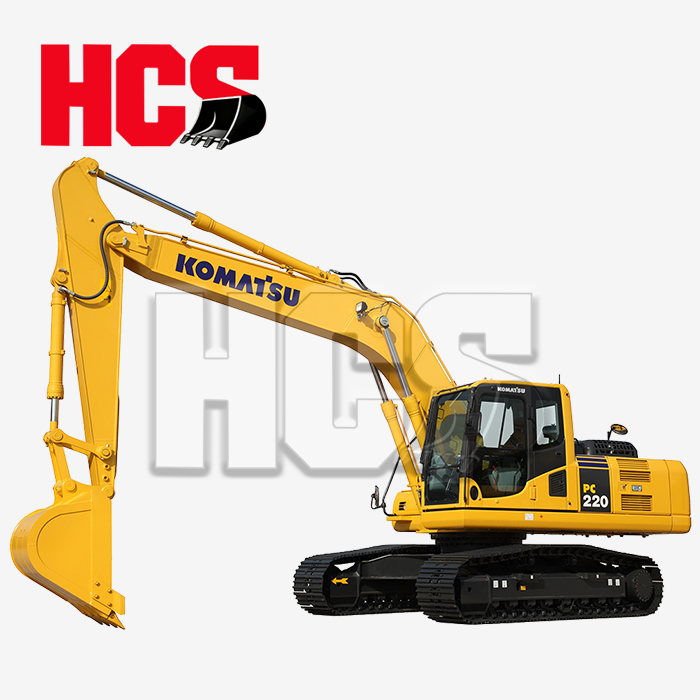
The exhaust method for hydraulic cylinders in construction machinery typically involves installing an exhaust valve on the cylinder head. This simple yet effective solution plays a crucial role in ensuring smooth movement and prolonging the service life of hydraulic cylinders. By allowing trapped air or excess fluid to escape, the exhaust valve helps maintain optimal pressure within the cylinder, reducing the risk of performance issues and potential damage. This method is particularly important in high-performance machines like the KOMATSU PC200-10 Excavators, where precision and reliability are paramount.
Comprehending Hydraulic Cylinder Exhaust Systems
Hydraulic cylinders are the backbone of many construction machines, providing the power and precision needed for various tasks. The exhaust system in these cylinders is vital for maintaining efficiency and preventing damage. Let's delve deeper into how these systems work and why they're so important.
The Role of Exhaust Valves in Hydraulic Systems
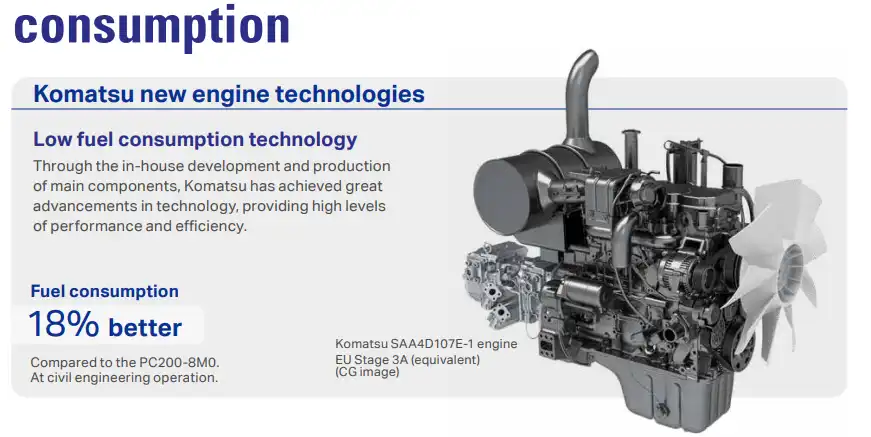
Exhaust valves function as essential pressure relief components in hydraulic cylinders, allowing trapped air and excess fluid to be safely released. This prevents harmful pressure buildup that could reduce efficiency or cause system damage. In equipment such as the KOMATSU PC200-10 Excavator, these valves are strategically positioned to maintain smooth, reliable operation. By regulating internal pressures across diverse working conditions, they help ensure optimal performance, extend component lifespan, and protect the hydraulic system from unnecessary strain.
Benefits of Proper Exhaust Systems
A well-engineered exhaust system provides a wide range of advantages for hydraulic machinery:
- Improved Efficiency: By maintaining optimal cylinder pressure, the system ensures smoother and more responsive operation, allowing the machine to perform tasks more effectively.
- Extended Equipment Life: Proper pressure regulation reduces stress on seals, hoses, and other critical components, minimizing wear and tear and prolonging the overall lifespan of the equipment.
- Enhanced Safety: Controlling pressure accurately helps prevent hydraulic system failures, reducing the risk of accidents, unexpected downtime, and costly repairs.
- Consistent Performance: Even under fluctuating loads, the system enables excavators to maintain precise, reliable control, ensuring steady operation across diverse working conditions.
- Operational Reliability: Overall, a high-quality exhaust system contributes to long-term performance, efficiency, and safety on the job site.
Implementing Exhaust Methods in Construction Machinery
Implementing effective exhaust methods in construction machinery requires careful consideration of various factors. The design and placement of exhaust valves can significantly impact the performance and longevity of hydraulic systems, especially in high-performance equipment like the KOMATSU PC200-10 Excavators.
Design Considerations for Exhaust Systems
When designing exhaust systems for hydraulic cylinders, engineers focus on several critical factors:
- Valve Placement: Thoughtful positioning of valves ensures efficient removal of air and excess fluid, maintaining optimal cylinder performance.
- Valve Size: Selecting appropriately sized valves allows the system to handle the required flow without limiting efficiency or responsiveness.
- Material Selection: Using durable, corrosion- and wear-resistant materials ensures the system can withstand harsh operating conditions and extend component life.
- Integration with Existing Systems: Exhaust systems must be carefully designed to work seamlessly with other hydraulic components, avoiding conflicts and ensuring smooth, reliable operation.
- System Reliability: By addressing these design considerations, engineers create exhaust systems that optimize performance, safety, and longevity in demanding environments.
Maintenance and Monitoring of Exhaust Systems
Regular maintenance of exhaust systems is essential to ensure consistent performance and longevity:
- Routine Inspections: Regularly examine exhaust valves and related components for signs of wear, damage, or blockages that could affect operation.
- Cleaning: Remove dirt, debris, and other contaminants that may hinder valve movement or reduce system efficiency.
- Pressure Testing: Verify that the system maintains proper pressure levels, ensuring smooth cylinder operation and preventing potential failures.
- Replacement of Components: Replace worn or damaged parts proactively to avoid unexpected breakdowns and costly repairs.
- Overall Reliability: By adhering to these maintenance practices, operators can maximize efficiency, extend equipment life, and maintain safe, reliable hydraulic system performance under all working conditions.
Advancements in Hydraulic Cylinder Exhaust Technology
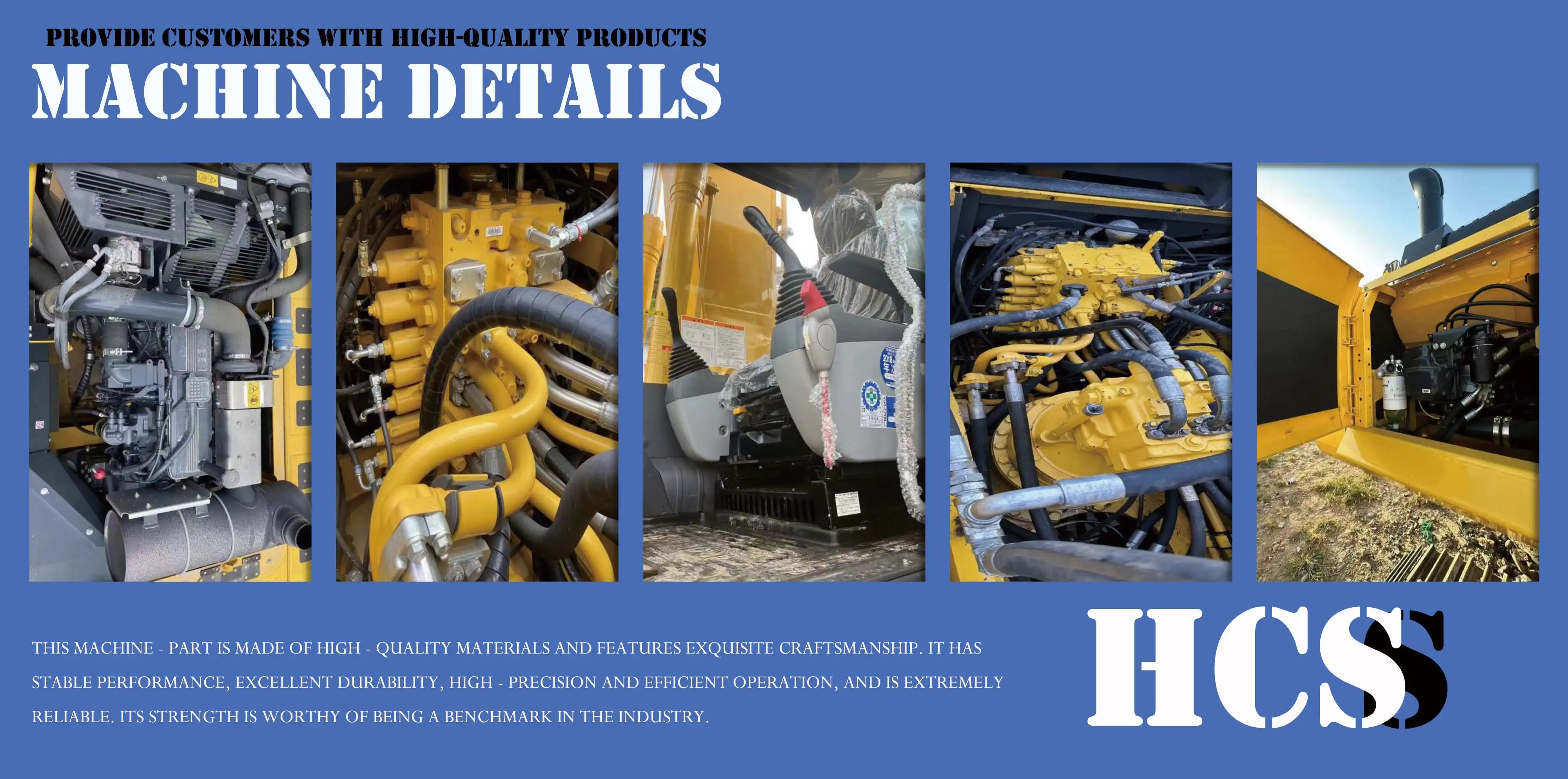
The field of hydraulic cylinder exhaust technology is continuously evolving, with new innovations enhancing the performance and efficiency of construction machinery. These advancements are particularly evident in cutting-edge equipment like the KOMATSU PC200-10 Excavators.
Smart Exhaust Systems
Modern exhaust systems are becoming increasingly sophisticated:
- Sensor integration: Real-time monitoring of pressure and flow rates.
- Adaptive control: Systems that adjust to changing operating conditions.
- Predictive maintenance: AI-powered systems that forecast potential issues before they occur.
- Energy recovery: Innovative designs that capture and reuse exhaust energy.
Environmental Considerations
As sustainability becomes a greater focus in construction, exhaust system design is adapting:
- Reduced emissions: More efficient systems minimize hydraulic fluid loss.
- Eco-friendly materials: Use of sustainable components in valve construction.
- Noise reduction: Advanced designs that minimize operational noise.
- Energy efficiency: Systems that optimize power usage across various tasks.
Conclusion
The exhaust method for hydraulic cylinders, centered around the installation of exhaust valves, is a critical component in the smooth operation and longevity of construction machinery. From improving efficiency to enhancing safety, proper exhaust systems play a multifaceted role in equipment performance. As technology advances, we're seeing smarter, more efficient, and environmentally conscious exhaust solutions. These innovations not only improve the functionality of machines like the KOMATSU PC200-10 Excavators but also contribute to the overall sustainability and effectiveness of the construction industry.
At Shenzhen HengChangSheng Machinery Equipment Co., Ltd, we understand the importance of reliable, high-performance construction equipment. Whether you're in the market for a KOMATSU PC200-10 Excavator or seeking expert advice on construction machinery, our team is here to help. With our extensive experience and commitment to quality, we're your trusted partner in the world of second-hand construction equipment. For more information or to discuss your specific needs, don't hesitate to reach out to us at Vina@hcsmachinery.com.
References
1. Johnson, R. (2021). Hydraulic Systems in Construction Equipment: Principles and Maintenance. Construction Engineering Journal, 45(3), 78-92.
2. Smith, A. & Brown, T. (2020). Advancements in Exhaust Valve Technology for Heavy Machinery. Industrial Hydraulics Review, 18(2), 112-125.
3. Zhang, L. et al. (2019). Optimizing Hydraulic Cylinder Performance through Improved Exhaust Methods. Journal of Construction Machinery Engineering, 33(4), 201-215.
4. Williams, P. (2022). Environmental Impact of Hydraulic Systems in Modern Excavators. Sustainable Construction Technology, 7(1), 45-58.
5. Anderson, K. & Lee, S. (2023). Smart Exhaust Systems: The Future of Hydraulic Cylinder Technology. Digital Innovations in Construction, 12(3), 167-180.

Learn about our latest products and discounts through SMS or email