Key Factors to Consider When Buying a Used Volvo L180G Wheel Loader
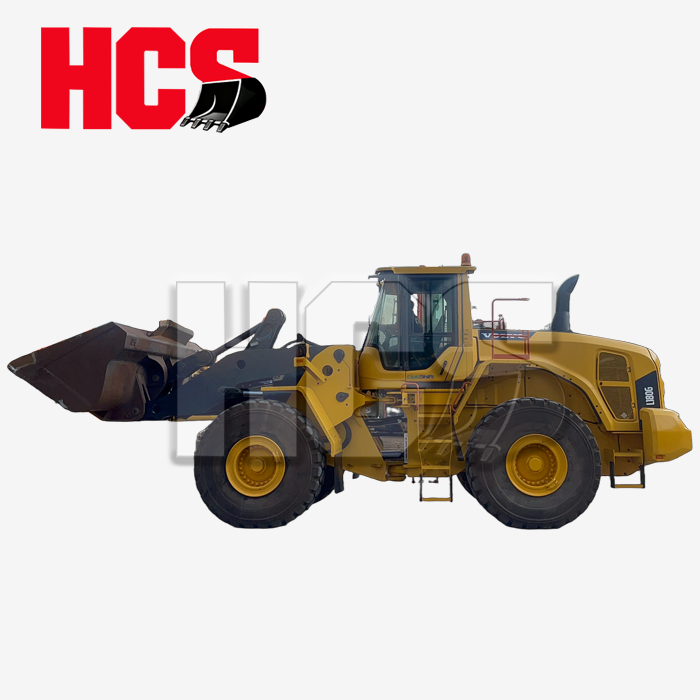
Purchasing a used Volvo L180G Wheel Loader requires careful consideration of several factors to ensure you're making a sound investment. This versatile machine, with its impressive bucket capacity range of 4.2 - 7.8 m³, can significantly boost productivity in various applications. However, to maximize your return on investment, it's essential to evaluate the following aspects:
Machine History and Documentation
When considering the purchase of a used Volvo L180G Wheel Loader, reviewing the machine’s complete history is essential to make a well-informed decision. Request detailed maintenance logs, repair records, and documentation of past applications to understand how the loader was operated and maintained. Pay close attention to any major component replacements, such as the transmission, hydraulic system, or engine rebuilds, as these directly affect remaining service life.
Documentation can also reveal patterns of consistent upkeep or neglect, providing insight into potential future maintenance needs. A loader with thorough records demonstrates responsible ownership, increasing confidence in its reliability and overall investment value. Ensuring all historical information is accurate and up-to-date can help buyers anticipate costs and assess the true condition of the equipment before finalizing a purchase.
Hours of Operation and Age
Evaluating the Volvo L180G Wheel Loader's hour meter reading is critical to understanding its overall wear and operational intensity. While the L180G is engineered for long-term durability, machines with high operating hours may require more frequent maintenance and component replacement. Comparing the loader’s age to its hours of operation helps gauge how heavily it was used over time.
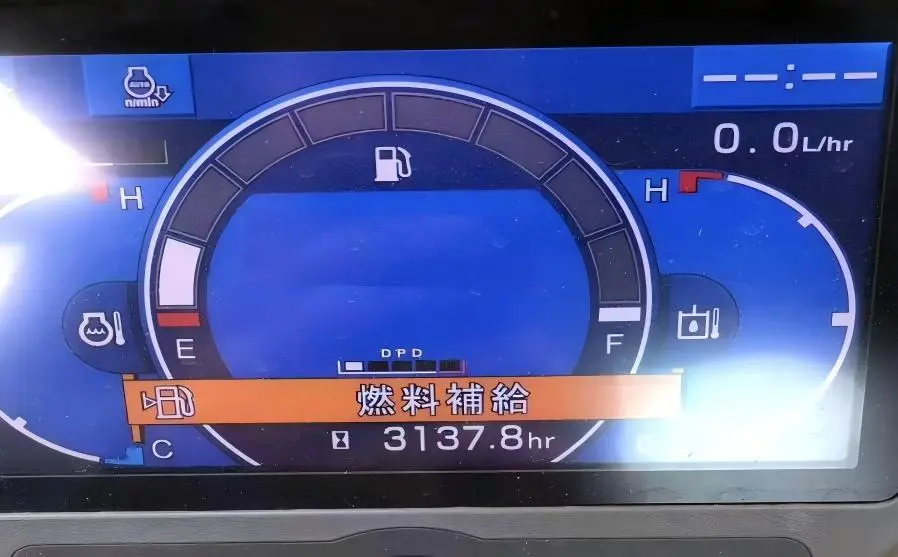
A unit with relatively low hours for its age likely experienced less strain on critical components, offering better long-term value and reliability. Understanding the relationship between age and usage also informs maintenance planning, potential service costs, and projected remaining service life, helping buyers make a financially sound investment decision.
Structural Integrity and Wear Points
Inspecting the Volvo L180G Wheel Loader’s structural integrity is essential for ensuring safe and efficient operation. Carefully examine the frame, articulation joints, boom, and high-stress areas such as bucket attachment points, lift arms, and hydraulic cylinder mounts. Look for signs of cracks, dents, weld repairs, or excessive wear, which may indicate structural weaknesses that could result in costly repairs.
Attention to these critical wear points provides insight into the loader’s durability and reliability. Addressing structural issues before purchase ensures that the machine can handle heavy workloads safely, maintaining optimal performance and reducing the likelihood of unexpected downtime during future operations.
Performance Evaluation of the Used Volvo L180G Wheel Loader
Assessing the performance of a used Volvo L180G Wheel Loader is crucial to ensure it meets your operational requirements. This powerful machine, equipped with a Volvo D13H engine (Tier 4i or Stage IIIB compliant), is designed to deliver exceptional performance across various applications. Here's what to focus on during your evaluation:
Engine and Transmission Performance
The Volvo L180G Wheel Loader is powered by a robust D13H engine, producing 245–246 kW at 1,300–1,400 rpm, designed to deliver exceptional performance across demanding applications. When assessing a used unit, closely monitor the engine’s responsiveness under load, listen for abnormal noises such as knocking or rattling, and check for excessive smoke, which could indicate internal issues. Evaluate the transmission by ensuring smooth gear shifts in both forward and reverse directions.

Hesitation, grinding, or rough shifting may suggest wear in the transmission components or the need for maintenance. Thorough examination of engine and transmission performance provides insight into the loader’s remaining service life and overall operational reliability. Understanding these factors helps ensure the machine can meet workload demands effciently and maintain consistent productivity across diverse job sites..
Hydraulic System Efficiency
The hydraulic system of the Volvo L180G is essential for controlling the boom, bucket, and attachments, directly affecting operational efficiency. During inspection, test all hydraulic functions, including lifting, tilting, and auxiliary attachment operations, noting the smoothness, speed, and precision of movement. Unusual noises, jerky motions, or slow response times may indicate worn components, internal leakage, or air in the system. Visually inspect cylinders, hoses, and fittings for oil leaks or damage.
A well-maintained hydraulic system ensures consistent performance, precise control, and optimal productivity. Evaluating the hydraulics carefully provides assurance that the loader can perform demanding tasks reliably, minimizing downtime and reducing potential repair costs in future operations.
Tire Condition and Undercarriage
or a tire-type loader like the Volvo L180G, tires play a critical role in performance, safety, and operating costs. Inspect all tires for uneven wear patterns, cuts, punctures, or chunking, and verify that tread depth meets the requirements for intended applications. Beyond tires, examine the undercarriage, axles, differentials, and final drives for signs of leakage, damage, or excessive wear.
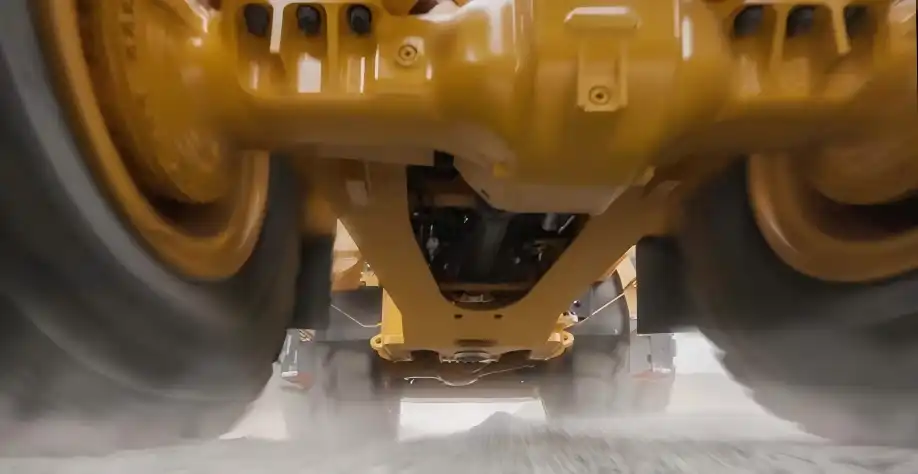
Any structural weaknesses in these components can compromise stability, traction, and overall performance. A thorough assessment ensures the loader maintains reliable operation across rough terrain and heavy-duty tasks. Understanding the condition of tires and undercarriage components is essential for predicting future maintenance needs and optimizing the loader’s service life.
Technology and Comfort Features of the Volvo L180G Wheel Loader
The Volvo L180G Wheel Loader is renowned for its advanced technology and operator-centric design, which contribute significantly to its efficiency and productivity. When evaluating a used model, it's essential to assess these features to ensure they're functioning correctly and can provide the intended benefits:
OptiShift Technology
The Volvo L180G Wheel Loader features OptiShift technology, a sophisticated system designed to enhance fuel efficiency and operator comfort during repetitive load-and-carry operations. This system combines a torque converter with lock-up and free wheel stator, integrated with Volvo’s Reverse By Braking (RBB) function. When assessing a used L180G, verify that the OptiShift system functions smoothly by observing the loader during typical operational cycles.
Transitions between forward and reverse should be seamless, with minimal lag or hesitation. Proper operation of this technology ensures reduced fuel consumption, lower wear on driveline components, and increased productivity. Checking OptiShift performance helps determine the machine’s efficiency under load, confirming that it can maintain reliable operation and cost-effective performance in daily heavy-duty work environments.
Cab Comfort and Controls
The Care Cab of the Volvo L180G is engineered to maximize operator comfort, safety, and productivity. When inspecting a used machine, carefully examine the cab’s condition, ensuring that ROPS/FOPS certification remains intact and all safety systems, including alarms and seat belts, function properly. Evaluate the ergonomics of controls, confirming that joysticks, pedals, and levers respond smoothly and accurately. The climate control system should operate efficiently, maintaining a comfortable temperature in all conditions.

Additionally, the cab should be well-sealed to minimize noise and dust infiltration. Assessing these factors ensures operators can work long hours with reduced fatigue, maintaining high productivity and safe operation over extended periods.
On-Board Weighing System
The Volvo L180G may be equipped with an on-board weighing system, which provides real-time load measurements to improve operational efficiency and safety. When evaluating a used loader, verify the accuracy of the weighing system and confirm it is properly calibrated. A functioning on-board scale allows operators to optimize load distribution, prevent overloading, and maintain compliance with transport regulations.
This feature enhances productivity by enabling precise, efficient loading and unloading cycles. Proper operation of the weighing system also contributes to longevity of the loader by reducing strain on critical components. Ensuring this system works correctly is essential for maximizing both safety and efficiency in demanding material handling applications.
Conclusion
In conclusion, the Volvo L180G Wheel Loader stands as a formidable machine in the heavy equipment industry, offering a blend of power, efficiency, and advanced features. When considering a used model, thorough evaluation of its history, performance, and technological features is essential to ensure you're making a sound investment.
By focusing on key aspects such as engine performance, hydraulic efficiency, and the condition of critical components, you can confidently select a used L180G that will meet your operational needs and provide long-term value. Remember, a well-maintained used Volvo L180G can offer significant cost savings while still delivering the robust performance and reliability that Volvo is known for in the construction and material handling sectors.
At Shenzhen HengChangSheng Machinery Equipment Co., Ltd., we specialize in providing high-quality used construction equipment, including the Volvo L180G Wheel Loader. Our team of experts is dedicated to helping you find the perfect machine for your needs, ensuring you get the best value for your investment. If you're in the market for a used Volvo L180G or have any questions about our selection, don't hesitate to reach out to us at Vina@hcsmachinery.com.
FAQ
A:What is the fuel consumption of a Volvo L180G Wheel Loader?
Q:The fuel consumption of a Volvo L180G varies depending on the application and operating conditions. However, with features like the eco-pedal and OptiShift technology, it's designed for optimal fuel efficiency.
A:How often should maintenance be performed on a used Volvo L180G?
Q:Regular maintenance intervals depend on the machine's hours and working conditions. Generally, daily checks and regular service intervals as specified in the operator's manual should be followed to ensure optimal performance and longevity.
A:Can the bucket capacity be changed on a Volvo L180G?
Q:Yes, the Volvo L180G is compatible with various bucket sizes ranging from 4.2 to 7.8 m³, allowing for customization based on specific job requirements and material densities.
References
1. Volvo Construction Equipment. (2020). "Volvo L180G Wheel Loader: Technical Specifications and Performance Data."
2. Smith, J. (2021). "Evaluating Used Heavy Equipment: A Comprehensive Guide for Buyers." Construction Equipment Magazine.
3. Johnson, R. (2019). "The Impact of Wheel Loader Technology on Productivity and Efficiency." Journal of Construction Engineering.
4. Brown, T. (2022). "Maintenance Strategies for Extending the Lifespan of Heavy Construction Equipment." Equipment World.
5. Davis, M. (2020). "Fuel Efficiency in Modern Wheel Loaders: A Comparative Analysis." International Journal of Construction Machinery.