- English
- French
- German
- Portuguese
- Spanish
- Russian
- Japanese
- Korean
- Arabic
- Greek
- German
- Turkish
- Italian
- Danish
- Romanian
- Indonesian
- Czech
- Afrikaans
- Swedish
- Polish
- Basque
- Catalan
- Esperanto
- Hindi
- Lao
- Albanian
- Amharic
- Armenian
- Azerbaijani
- Belarusian
- Bengali
- Bosnian
- Bulgarian
- Cebuano
- Chichewa
- Corsican
- Croatian
- Dutch
- Estonian
- Filipino
- Finnish
- Frisian
- Galician
- Georgian
- Gujarati
- Haitian
- Hausa
- Hawaiian
- Hebrew
- Hmong
- Hungarian
- Icelandic
- Igbo
- Javanese
- Kannada
- Kazakh
- Khmer
- Kurdish
- Kyrgyz
- Latin
- Latvian
- Lithuanian
- Luxembou..
- Macedonian
- Malagasy
- Malay
- Malayalam
- Maltese
- Maori
- Marathi
- Mongolian
- Burmese
- Nepali
- Norwegian
- Pashto
- Persian
- Punjabi
- Serbian
- Sesotho
- Sinhala
- Slovak
- Slovenian
- Somali
- Samoan
- Scots Gaelic
- Shona
- Sindhi
- Sundanese
- Swahili
- Tajik
- Tamil
- Telugu
- Thai
- Ukrainian
- Urdu
- Uzbek
- Vietnamese
- Welsh
- Xhosa
- Yiddish
- Yoruba
- Zulu
How to Replace Tires on a Bobcat D30 Forklift?
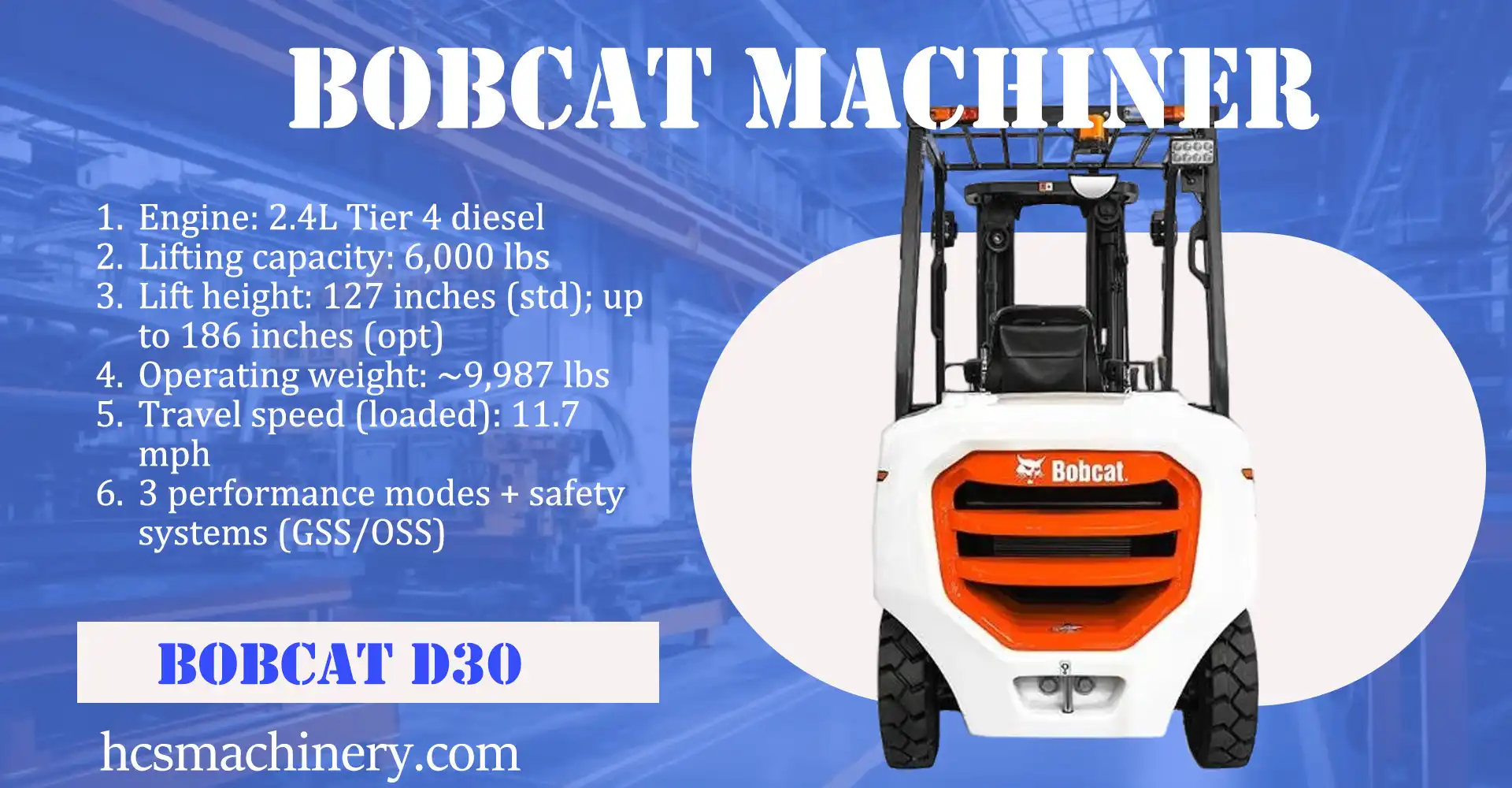
Replacing tires on a Bobcat D30 forklift is a crucial maintenance task that ensures optimal performance and safety. The process involves several steps, including lifting the forklift, removing the old tires, and installing new ones. For the Bobcat D30 model, which boasts a compact 1,290 mm width and a 3-ton load capacity, proper tire replacement is essential to maintain its impressive 18.5 km/h travel speed and 42.6 kW climbing ability. This guide will walk you through the tire replacement process, helping you keep your Bobcat D30 forklift in top condition for warehouses, construction sites, and industrial facilities.
Preparing for Bobcat D30 Forklift Tire Replacement
Before embarking on the tire replacement journey for your Bobcat D30 forklift, thorough preparation is paramount. Begin by procuring the correct tire size - the standard tires for this model are 28 x 9 - 15 - 14 PR for the front and 6.50 - 10 - 10 PR for the rear. These specifications ensure compatibility with the forklift's 3-ton load capacity and 2.415 m turning radius.
Next, gather the necessary tools: a hydraulic jack, jack stands, lug wrench, and torque wrench. The hydraulic jack should be rated to support the Bobcat D30's weight, which is considerable given its powerful 2.4L D24 diesel engine delivering 46.23 kW of performance. Safety equipment, including gloves and safety glasses, is non-negotiable.
Choose a level, stable surface for the tire replacement procedure. This is crucial for maintaining the stability of the forklift, which has a compact design optimized for maneuvering in tight spaces. Clear the area of any obstacles that might interfere with your work or compromise safety.
Inspecting the Current Tires
Before removal, conduct a thorough inspection of the current tires. Look for signs of wear, damage, or uneven tread patterns. This inspection can provide valuable insights into the forklift's alignment or potential issues with the suspension system. Remember, the Bobcat D30's advanced hydraulic system relies on properly maintained tires for smooth, precise load control.
Step-by-Step Guide to Replacing Bobcat D30 Forklift Tires
With preparations complete, it's time to delve into the tire replacement process. This procedure requires attention to detail and adherence to safety protocols to ensure the continued reliability of your Bobcat D30 forklift.
Lifting the Forklift
Begin by engaging the parking brake and chocking the wheels that will remain on the ground. Using the hydraulic jack, carefully lift the forklift at the designated jacking points. These points are designed to support the forklift's weight without damaging its durable construction. Once the tire is off the ground, place jack stands underneath for additional support and safety.
Removing the Old Tires
With the forklift securely elevated, remove the lug nuts using the lug wrench. Take care not to damage the studs, as they are crucial for proper tire installation. Gently remove the old tire, being mindful of its weight - remember, these Bobcat D30 Forklift Tires are designed to support the Bobcat D30's impressive load capacity and withstand tough working conditions.
Installing the New Tires
Carefully mount the new tire onto the hub, ensuring it's properly seated. Replace the lug nuts, tightening them by hand initially to ensure proper alignment. Using the torque wrench, tighten the lug nuts in a star pattern to the manufacturer's specified torque. This pattern ensures even pressure distribution, critical for a forklift designed for precise load control and optimal performance across various working environments.
Post-Installation Checks and Maintenance
After installing the new tires, it's crucial to perform several checks to ensure the Bobcat D30 forklift's continued optimal performance. These checks help maintain the forklift's efficiency, whether it's navigating narrow warehouse aisles or handling heavy materials on construction sites.
Tire Pressure Adjustment
Inflate the new tires to the recommended pressure. Proper inflation is crucial for maintaining the Bobcat D30's impressive 18.5 km/h travel speed and ensuring its ability to handle its 3-ton load capacity efficiently. Under-inflated or over-inflated tires can affect the forklift's stability, fuel efficiency, and overall performance.
Alignment Check
After tire replacement, it's advisable to check and, if necessary, adjust the forklift's alignment. Proper alignment ensures even tire wear and maintains the Bobcat D30's excellent maneuverability, particularly important given its compact 1,290 mm width designed for navigating tight spaces.
Break-In Period
New tires require a break-in period. During this time, operate the forklift at reduced speeds and avoid sudden stops or starts. This allows the tires to settle and ensures optimal performance in the long run. After about 50 hours of operation, re-torque the lug nuts to compensate for any initial settling.

Conclusion
Replacing tires on a Bobcat D30 forklift is a critical maintenance task that ensures the machine's continued performance and safety. By following this guide, you can effectively replace the tires, maintaining the forklift's 3-ton load capacity, 18.5 km/h travel speed, and 42.6 kW climbing ability. Regular tire maintenance and timely replacement contribute significantly to the forklift's longevity and efficiency, whether it's operating in warehouses, construction sites, or manufacturing plants. Remember, proper tire care is essential for preserving the Bobcat D30's renowned durability and cutting-edge features.
Are you looking for high-quality, cost-effective solutions for your material handling needs? At Hengchangsheng, we specialize in second-hand construction machinery, including forklifts like the Bobcat D30. Our extensive inventory includes a wide range of equipment, from excavators to loaders, all thoroughly inspected and maintained. Whether you need replacement Bobcat D30 Forklift Tires or are considering a used forklift purchase, our team of experts is here to help. Contact us at Vina@hcsmachinery.com for personalized assistance and to explore how we can optimize your operations with reliable, second-hand equipment.
FAQ
Q: How often should I replace the tires on my Bobcat D30 forklift?
A: Tire replacement frequency depends on usage and working conditions. Generally, inspect tires regularly and replace them when tread depth reaches 2-3mm or if you notice significant wear or damage.
Q: Can I use non-OEM tires on my Bobcat D30 forklift?
A: While OEM tires are recommended for optimal performance, high-quality aftermarket tires that meet the same specifications can be used. Ensure they match the correct size and load rating.
Q: How do I know if my forklift tires need replacement?
A: Signs include visible wear, chunking, flat spots, cracks, or if the "60J line" (a wear indicator) is visible. Also, consider replacement if you notice decreased performance or stability.
References
1. Bobcat Company. (2022). D30 Diesel Forklift Operator & Maintenance Manual.
2. Smith, J. (2021). Forklift Tire Maintenance and Replacement Best Practices. Material Handling Journal, 45(3), 78-92.
3. Johnson, R. (2023). Industrial Tire Selection and Care for Heavy Machinery. Construction Equipment Magazine, 87(2), 55-68.
4. Williams, T. & Brown, L. (2022). Safety Considerations in Forklift Maintenance. Occupational Safety & Health, 91(4), 112-125.
5. Anderson, M. (2023). Maximizing Forklift Efficiency through Proper Tire Management. Logistics and Transport Focus, 25(6), 34-49.


Learn about our latest products and discounts through SMS or email