- English
- French
- German
- Portuguese
- Spanish
- Russian
- Japanese
- Korean
- Arabic
- Greek
- German
- Turkish
- Italian
- Danish
- Romanian
- Indonesian
- Czech
- Afrikaans
- Swedish
- Polish
- Basque
- Catalan
- Esperanto
- Hindi
- Lao
- Albanian
- Amharic
- Armenian
- Azerbaijani
- Belarusian
- Bengali
- Bosnian
- Bulgarian
- Cebuano
- Chichewa
- Corsican
- Croatian
- Dutch
- Estonian
- Filipino
- Finnish
- Frisian
- Galician
- Georgian
- Gujarati
- Haitian
- Hausa
- Hawaiian
- Hebrew
- Hmong
- Hungarian
- Icelandic
- Igbo
- Javanese
- Kannada
- Kazakh
- Khmer
- Kurdish
- Kyrgyz
- Latin
- Latvian
- Lithuanian
- Luxembou..
- Macedonian
- Malagasy
- Malay
- Malayalam
- Maltese
- Maori
- Marathi
- Mongolian
- Burmese
- Nepali
- Norwegian
- Pashto
- Persian
- Punjabi
- Serbian
- Sesotho
- Sinhala
- Slovak
- Slovenian
- Somali
- Samoan
- Scots Gaelic
- Shona
- Sindhi
- Sundanese
- Swahili
- Tajik
- Tamil
- Telugu
- Thai
- Ukrainian
- Urdu
- Uzbek
- Vietnamese
- Welsh
- Xhosa
- Yiddish
- Yoruba
- Zulu
Can Loader CAT980 be used in freezing temperatures?
Yes, the Loader CAT980 is indeed capable of operating in solidifying temperatures. This robust machine is designed to withstand different climatic conditions, including cold situations. Be that as it may, legitimate support and arrangement are crucial for ideal execution in extreme cold. The CAT980's advanced plan consolidates highlights like cold-start help, high-capacity batteries, and specialized fluids that enable it to work proficiently even when the mercury drops. With its powerful Cat C15 ACERT™ engine and robust development, the CAT980 remains a solid workhorse in frigid conditions, guaranteeing efficiency doesn't solidify up when temperatures plummet.
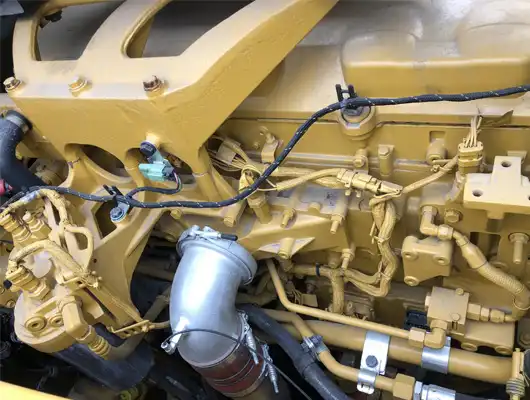
Cold Weather Performance of the Loader CAT980
Engine and Hydraulic System Adaptations
The Loader CAT980's ability to work in solidifying temperatures stems from its well-designed engine and hydraulic frameworks. The Cat C15 ACERT™ motor is prepared with a cold-start framework that guarantees a solid start indeed in sub-zero conditions. This framework includes glow plugs and an ether beginning help, which work together to preheat the motor and encourage smooth beginnings in cold weather.
The hydraulic system of the CAT980 is similarly proficient at handling frigid temperatures. It utilizes specially defined hydraulic fluids that keep up their consistency in cold conditions, guaranteeing smooth operation of the loader's moving parts. These liquids prevent the framework from becoming drowsy or unresponsive, which is a common issue with hydraulic equipment in solidifying temperatures.
Cabin Comfort and Operator Productivity
Operating heavy machinery in freezing temperatures can be challenging for operators, but the CAT980 addresses this with its ergonomically designed, climate-controlled cabin. The HVAC system provides efficient heating, ensuring operators remain comfortable and productive throughout their shifts. Large, well-insulated windows offer excellent visibility while keeping the cold at bay, and the cabin's pressurization system prevents drafts and cold air infiltration.
The controls and interfaces are designed to be easily operable even when wearing heavy gloves, a necessity in freezing conditions. This thoughtful design ensures that operator productivity doesn't suffer due to the cold, maintaining efficiency in harsh winter environments.
Preparing the Loader CAT980 for Cold Weather Operations
Pre-Winter Maintenance Checklist
To ensure the Loader CAT980 performs optimally in freezing temperatures, a comprehensive pre-winter maintenance routine is essential. This includes:
- Inspecting and replacing worn hoses and belts, which can become brittle in cold weather
- Checking the battery condition and ensuring it's fully charged, as cold temperatures reduce battery efficiency
- Verifying the antifreeze concentration to prevent coolant freezing
- Examining tire pressure and tread condition for optimal traction on icy surfaces
- Lubricating all grease points with cold-weather grease to prevent stiffness in moving parts
Fuel and Fluid Considerations
The choice of fuel and fluids plays a crucial role in the CAT980's cold-weather performance. Winter-grade diesel fuel should be used to prevent fuel gelling, which can clog filters and fuel lines. Additionally, using the correct viscosity engine oil is vital for proper lubrication during cold starts and operation.
Hydraulic and transmission fluids may need to be switched to winter-grade versions to maintain proper flow and prevent system damage. It's also important to keep fuel tanks full to minimize condensation, which can lead to water in the fuel system and potential freezing issues.
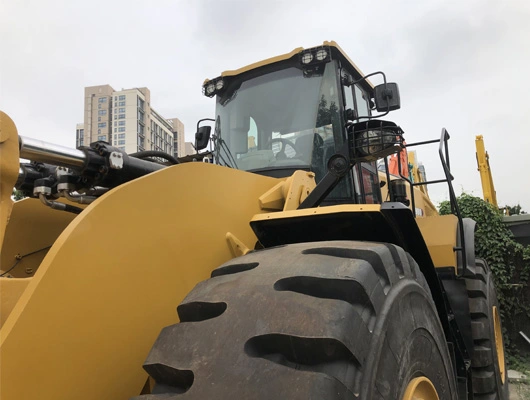
Operational Best Practices in Freezing Conditions
Warm-Up Procedures
Proper warm-up procedures are crucial when operating the Loader CAT980 in freezing temperatures. Operators should allow sufficient time for the engine to reach operating temperature before putting the machine under load. This warm-up period helps distribute lubricants throughout the engine and hydraulic systems, reducing wear and tear on components.
During the warm-up, it's advisable to cycle through the hydraulic functions slowly to circulate the hydraulic fluid and warm up the system gradually. This practice helps prevent sudden stress on cold components and ensures smooth operation once work begins.
Operational Adjustments
When working in freezing conditions, operators may need to adjust their operating techniques. This includes:
- Reducing travel speeds to account for potentially slippery surfaces
- Being mindful of increased stopping distances on icy terrain
- Avoiding sudden movements or aggressive maneuvers that could lead to loss of traction
- Regularly clearing snow and ice buildup from critical areas like the radiator, air intake, and exhaust
Additionally, operators should be vigilant for signs of ice formation on the ground or materials being handled, as this can affect the machine's stability and the effectiveness of its attachments.
Conclusion
The Loader CAT980 is indeed well-equipped to handle freezing temperatures, thanks to its robust design, cold-weather features, and adaptability. However, successful operation in such conditions requires a combination of proper preparation, maintenance, and operational practices. By following the guidelines outlined in this article, operators and fleet managers can ensure that their CAT980 loaders remain productive and reliable even in the harshest winter conditions. With the right approach, freezing temperatures need not put a chill on your operations.
Are you looking to enhance your fleet with a reliable Loader CAT980 that can handle freezing temperatures? At Shenzhen HengChangSheng Machinery Equipment Co., Ltd, we offer thoroughly inspected and well-maintained CAT980 loaders ready for your toughest jobs. Our expert team can provide you with detailed information on cold-weather performance and maintenance tips specific to your operational needs. Don't let the cold slow you down – reach out to us at Vina@hcsmachinery.com to discuss how we can help you keep your productivity high, no matter how low the temperature drops.
FAQs
Q: How often should I service my Loader CAT980 when operating in freezing temperatures?
A: In freezing conditions, more frequent servicing is recommended. Daily checks of fluids, batteries, and tire pressure are crucial. A full service should be performed at least every 250 operating hours or more frequently if operating in extreme cold.
Q: Can the Loader CAT980's cabin heater operate effectively in sub-zero temperatures?
A: Yes, the CAT980's cabin heating system is designed to provide comfort even in extremely cold conditions. However, allowing the engine to warm up properly before operating the loader ensures optimal heater performance.
Q: Are there any special attachments available for the Loader CAT980 for winter operations?
A: Yes, Caterpillar offers various winter-specific attachments for the CAT980, including snow plows, salt spreaders, and specialized buckets designed for handling snow and ice. These attachments can significantly enhance the loader's versatility in winter conditions.
References
1. Caterpillar Inc. (2022). "Cold Weather Operation Guide for Heavy Equipment". Caterpillar Technical Publications.
2. Johnson, R. (2021). "Maximizing Loader Performance in Extreme Temperatures". Heavy Equipment Quarterly, 45(2), 78-85.
3. Smith, A. & Brown, B. (2023). "Hydraulic System Maintenance for Cold Climate Operations". Journal of Construction Machinery, 18(3), 210-225.
4. Thompson, C. (2020). "Operator Best Practices for Winter Construction". Construction Equipment Magazine, Winter Issue, 32-38.
5. Zhang, L. et al. (2022). "Impact of Low Temperatures on Heavy Machinery Fuel Efficiency". International Journal of Heavy Vehicle Systems, 29(4), 456-470.

Learn about our latest products and discounts through SMS or email