- English
- French
- German
- Portuguese
- Spanish
- Russian
- Japanese
- Korean
- Arabic
- Greek
- German
- Turkish
- Italian
- Danish
- Romanian
- Indonesian
- Czech
- Afrikaans
- Swedish
- Polish
- Basque
- Catalan
- Esperanto
- Hindi
- Lao
- Albanian
- Amharic
- Armenian
- Azerbaijani
- Belarusian
- Bengali
- Bosnian
- Bulgarian
- Cebuano
- Chichewa
- Corsican
- Croatian
- Dutch
- Estonian
- Filipino
- Finnish
- Frisian
- Galician
- Georgian
- Gujarati
- Haitian
- Hausa
- Hawaiian
- Hebrew
- Hmong
- Hungarian
- Icelandic
- Igbo
- Javanese
- Kannada
- Kazakh
- Khmer
- Kurdish
- Kyrgyz
- Latin
- Latvian
- Lithuanian
- Luxembou..
- Macedonian
- Malagasy
- Malay
- Malayalam
- Maltese
- Maori
- Marathi
- Mongolian
- Burmese
- Nepali
- Norwegian
- Pashto
- Persian
- Punjabi
- Serbian
- Sesotho
- Sinhala
- Slovak
- Slovenian
- Somali
- Samoan
- Scots Gaelic
- Shona
- Sindhi
- Sundanese
- Swahili
- Tajik
- Tamil
- Telugu
- Thai
- Ukrainian
- Urdu
- Uzbek
- Vietnamese
- Welsh
- Xhosa
- Yiddish
- Yoruba
- Zulu
2026 Excavator Size Guide: Choose the Right Excavator
Excavators come in various sizes, each designed to tackle different types of construction tasks. Understanding these differences is key to selecting the right equipment for your project. This excavator size guide will help you choose excavator by project type and site conditions, so you match the machine to the job with confidence.

The Role of Excavator Size in Project Success
Size matters in construction, and the excavator is no exception. The right size not only determines the project's efficiency but also impacts the safety and overall cost. Smaller excavators can maneuver in tight spaces, while larger ones can handle more robust tasks, underscoring the importance of matching size to task requirements.
Mini Excavators: The Compact Powerhouses
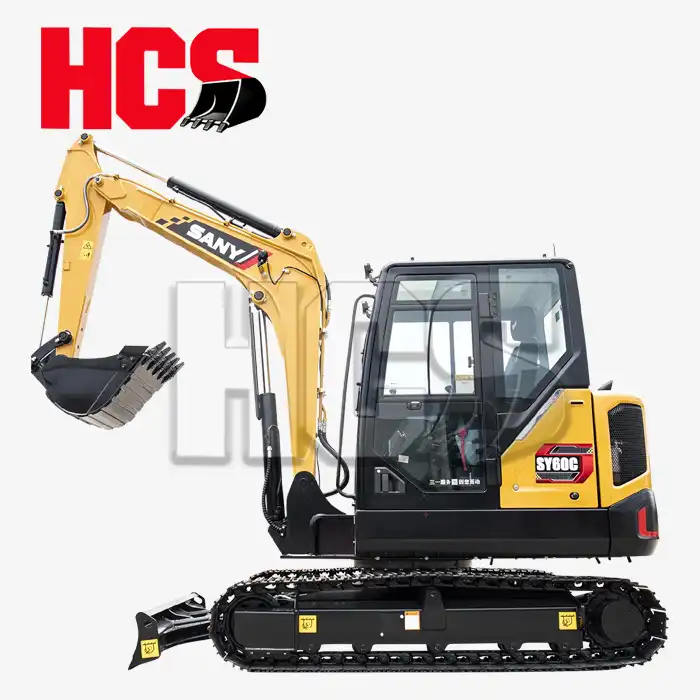
Mini excavators, also known as compact excavators, are perfect for small to medium-sized projects or tasks in confined spaces. These machines typically weigh between 1 to 8 tons. Common mini excavator sizes are categorized by tonnage (1–8 tons), width, and dig depth, helping you compare models quickly.
Advantages of Mini Excavators
· Maneuverability: Their compact nature allows them to navigate tight spaces easily, making them ideal for urban projects or residential areas.
· Versatility: Mini excavators are incredibly versatile, capable of performing a variety of tasks such as landscaping, trenching, and small-scale demolition.
· Lower Cost: They are generally more affordable than their larger counterparts, not only in purchase price but also in maintenance and operational costs. This makes them an attractive option for budget-conscious projects.
Limitations of Mini Excavators
· Limited Capacity: While versatile, mini excavators have limitations in terms of lifting and digging capacity. They are not suitable for heavy-duty tasks or large-scale projects.
· Reduced Reach: The smaller size means a reduced reach and digging depth, which can be a constraint for certain tasks.

Full-Size Excavators: The Giants of the Job Site
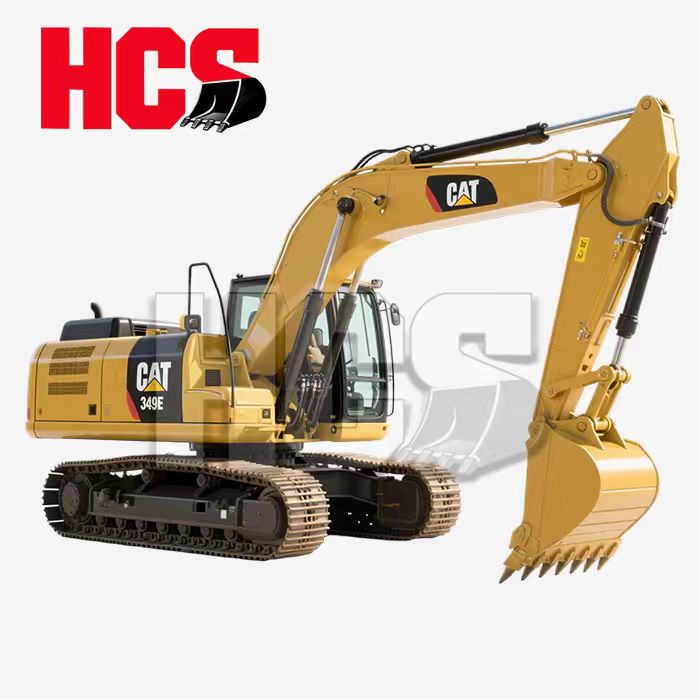
Full-size excavators are better suited for larger, heavy-duty projects. They usually range from 10 to 90 tons.
Advantages of Full-Size Excavators
· Power: These machines are equipped with more powerful engines, allowing them to handle tougher jobs efficiently.
· Reach and Digging Depth: The greater reach and digging capacity make full-size excavators suitable for large-scale excavation tasks, such as road building or major infrastructure projects.
· Efficiency: Their ability to move larger volumes of material quickly can significantly reduce the time required to complete big projects, leading to cost savings on labor and equipment rental.
Considerations for Full-Size Excavators
· Higher Operational Costs: With greater power comes higher fuel consumption and maintenance costs. It's essential to factor these into your project budget.
· Space Requirements: Full-size excavators require ample space for operation and transport, which might not be feasible for all project sites.
Key Factors to Consider
When choosing an excavator, several factors should be considered to ensure you select the right size for your project.
Project Scope and Requirements
Understanding the scope of your project is the first step in determining the appropriate excavator size.
Assessing Project Needs
· Mini Excavators: Ideal for projects such as backyard landscaping, minor trench work, or small-scale construction tasks where precision and maneuverability are crucial.
· Full-Size Excavators: Necessary for extensive projects like road building, large-scale excavation, or commercial construction, where power and reach are paramount.
Forecasting Project Growth
Consider potential project expansion. If your project might grow in scope, investing in a slightly larger excavator might prevent future constraints.
Site Conditions
Assessing the site conditions is essential. Consider the terrain, space constraints, and accessibility.
Navigating Tight Spaces
· Mini Excavators: Perfect for sites with limited access or where the project site is surrounded by existing structures, as they can easily maneuver through narrow passages.
· Full-Size Excavators: More efficient in open, spacious sites where their size and power can be fully utilized without spatial constraints.
Terrain Challenges
Evaluate the terrain's stability and slope. Uneven or soft terrain might require specific tracks or additional equipment for safe operation.
Attachments and Accessories
Different excavators can be equipped with various attachments, enhancing their versatility. Consider what tools you may need for the job.
Versatility Through Attachments
· Common Attachments: Buckets for digging, hammers for demolition, grapplers for material handling, and augers for drilling. Each attachment can transform the excavator for specific tasks.
· Ensuring Compatibility: It's crucial to ensure the excavator you choose can accommodate the attachments needed for your project, which involves checking hydraulic and mechanical compatibility.
Customizing for Specific Tasks
Attachments can be customized for specific tasks, enhancing productivity and allowing a single machine to perform multiple roles on the job site.
Budget Constraints
Budget is always a crucial factor. Mini excavators are generally less expensive, both in terms of purchase price and operational costs.
Evaluating Overall Costs
· Operational Costs: Consider fuel efficiency, maintenance, and potential downtime costs, which can impact the total project budget significantly.
· Long-term Investment: Assess whether purchasing or renting is more cost-effective in the long run, taking into account the frequency of use and potential resale value.
Financial Planning
Develop a comprehensive budget plan that considers all potential costs, including insurance, operator training, and unexpected repairs, to avoid financial surprises during the project.
Using an Excavator Size Chart
An excavator size chart is a valuable tool to compare different models and sizes. This chart outlines the specifications of various excavators, helping you understand their capabilities.
How to Read an Excavator Size Chart
Understanding how to interpret an excavator size chart can streamline your decision-making process.
Key Specifications
· Weight: Indicates the weight class of the excavator, essential for understanding its transport and operational requirements.
· Digging Depth: Maximum depth the excavator can reach, crucial for projects involving deep excavations.
· Power Rating: Engine power affects the machine's capability to perform heavy-duty tasks efficiently.
· Bucket Capacity: Volume of material the bucket can hold, which impacts the speed and efficiency of material handling.
Comparing Models
By comparing these specifications, you can identify which excavator meets the specific needs of your project, allowing for a tailored approach to equipment selection.
Making Informed Decisions
Use the excavator size chart as a reference point to ensure your selection aligns with your project's demands, balancing power, capacity, and cost-effectiveness.
Mini vs. Full-Size Excavators: Pros and Cons
This mini vs full-size excavator comparison highlights the trade-offs so you can align machine capabilities with your site and schedule.
Both mini and full-size excavators have their own set of pros and cons. Understanding these can help you make a more informed choice.

Mini Excavators Pros
· Better for Space Limitations: Their compact size makes them ideal for projects in confined areas, minimizing the risk of damage to surrounding structures.
· Lower Operational Costs: Cost-efficient in terms of fuel, maintenance, and transportation.
· Easier to Transport: Their smaller size allows for easier and cheaper transportation between sites.
Cons
· Limited Lifting and Digging Capacity: Not suitable for handling heavy materials or deep excavations.
· Not Suitable for Large-Scale Projects: Limited power and capacity make them inadequate for major construction tasks.
Full-Size Excavators Pros
· Greater Power and Efficiency: Ideal for large projects requiring substantial material handling and deep excavations.
· Larger Lifting and Digging Capacities: Capable of executing demanding tasks with ease.
Cons
· Higher Operational Costs: Increased fuel consumption and maintenance requirements contribute to higher costs.
· Requires More Space: Larger footprint necessitates ample operational and transport space, which may not always be available.
Conclusion
Choosing the right excavator size is essential for the success of your construction project. By understanding the differences between mini and full-size excavators, assessing your project requirements, and considering site conditions, you can make an informed decision.
Balancing Cost, Efficiency, and Project Demands
Always refer to an excavator size chart to compare models and ensure that your selection aligns with your project's needs. Balancing cost, efficiency, and project demands will lead to a successful outcome and optimal resource allocation.
Equipping for Success in a Dynamic Industry
In the ever-evolving world of construction, making the right equipment choices is a cornerstone of project success. With this 2025 guide, you're well-equipped to choose the right excavator for your needs, ensuring that your projects are completed efficiently, cost-effectively, and on time. Refer back to this excavator size guide as your projects evolve to choose excavator by project scope and site conditions.
At Shenzhen HengChangSheng Machinery Equipment Co., Ltd., we specialize in providing high-quality used construction equipment, including the Volvo L180G Wheel Loader. Our team of experts is dedicated to helping you find the perfect machine for your needs, ensuring you get the best value for your investment. If you're in the market for a used Volvo L180G or have any questions about our selection, don't hesitate to reach out to us at Vina@hcsmachinery.com.

Learn about our latest products and discounts through SMS or email